

The Underrated Power of Direct Mail in Mortgage Communication
The mortgage industry is continually evolving in response to new trends in digital transformation. In fact, 72% of new customers now start their loan journey online. Consumer behavior is shifting towards digital journeys in mortgage communication strategies. Moreover, digital-only mortgage providers can operate with 80% lower costs to service than traditional banks. It allows more competitive rates and faster approvals.
Most lenders use digital channels to connect with their potential clients. Email, social ads, and SMS are the first tools that come to mind. However, they are still missing out on a channel that continues to perform. Direct mail is the only channel that can cut through the noise of all these digital media. Above all, people still check their mail every day. Thus, a well-timed postcard or letter can feel more personal and trustworthy than another unread email in spam or promotions. In this blog, we’ll explore how direct mail is still relevant in mortgage communication.

Key Takeaways
- Physical mail feels more official and trustworthy in a high-stakes industry like mortgage.
- Direct mail enables the precise targeting of specific ZIP codes and local regions.
- Automated direct mail can pull data from a mortgage CRM to personalize content.
- Physical mail bypasses the clutter of inboxes and is immune to algorithmic limitations.
- Deeper personalization by loan type, credit profile, or stage in the mortgage process.
- Creative formats, such as detachable cards and fold-outs, can improve open and response rates.
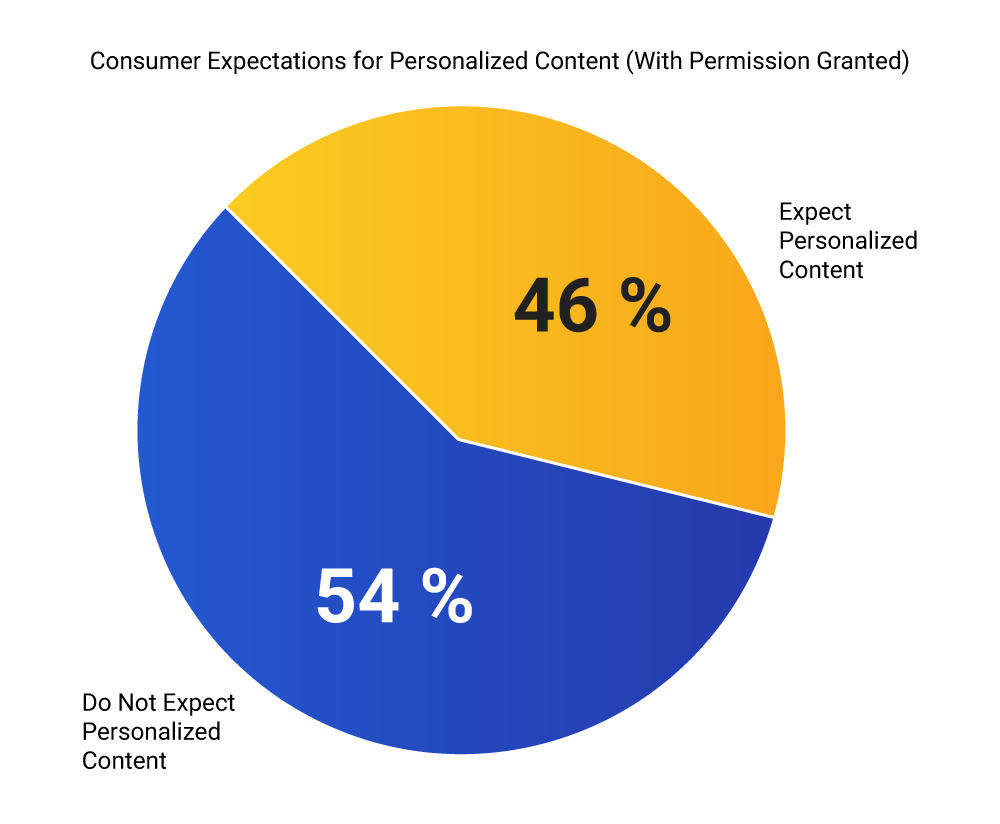
- When permission is granted, 46% of consumers expect personalized content.
- Personalized mailers convey a sense of intentionality, rather than feeling generic.
- Accurate targeting is necessary to achieve a higher ROI and reduce wasted prints.
How Can Direct Mail Improve a Mortgage Communication Strategy?
Builds Trust
People are often skeptical about unknown links and sales heavy emails. In comparison, a mail piece feels more real and professional. Especially in a trust-driven industry like mortgage, you must build credibility. For this reason, finance businesses get an average response rate of 11-15%. You create trust when your mailers are well-branded and informative.

Targets Local Markets
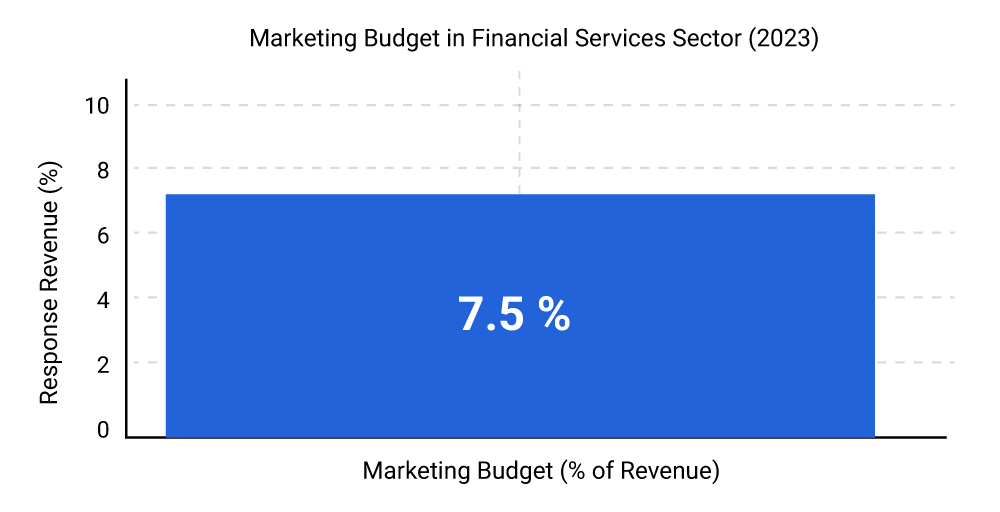
Mortgage companies often target specific regions to get borrowers. Additionally, hyper-targeting is necessary to save on mortgage communication budget. A Gartner study suggests that marketing budgets in the financial services sector accounted for 7.5% of revenue in 2023. Direct mail can be an ideal channel for reaching specific ZIP codes. It lets you reach:
- First-time buyers
- Recent movers
- People searching for refinance
Adds a Personal Touch
Automated direct mail feels more personal than ever. It lets you pull data from your mortgage CRM to personalize individual mail pieces. For example, you can add offers, names, and loan types. However, you must acquire consent to use customer data from your website. When permission is granted, 46% of consumers expect personalized content. In short, it makes the message feel more relevant.
Supports Other Channels
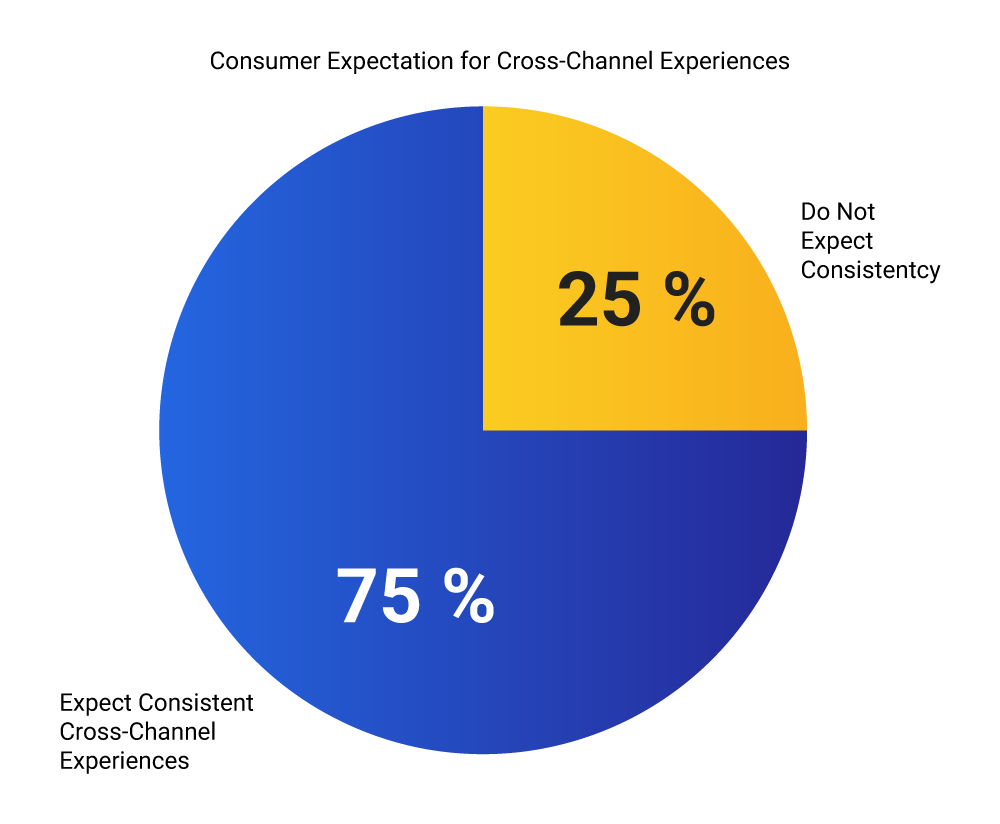
Direct mail is the perfect complementary channel for digital communication. It can drive traffic to your website, support your CRM, or nurture inactive leads. Besides, two-thirds of millennials expect real-time customer service. And 75% of all customers expect consistent cross-channel experiences. You need automation tools to synchronize multiple channels simultaneously.
Also Read: How Can Outsourcing Mortgage Statements Reduce Costs and Effort?
Successful Direct Mail Strategies for Mortgage Companies
Target by Life Stage or Event
A well-timed mailing can turn a name into a qualified mortgage lead. Above all, buying a home often follows key life events like:
- Marriage
- Having Kids
- Relocating
- Retiring
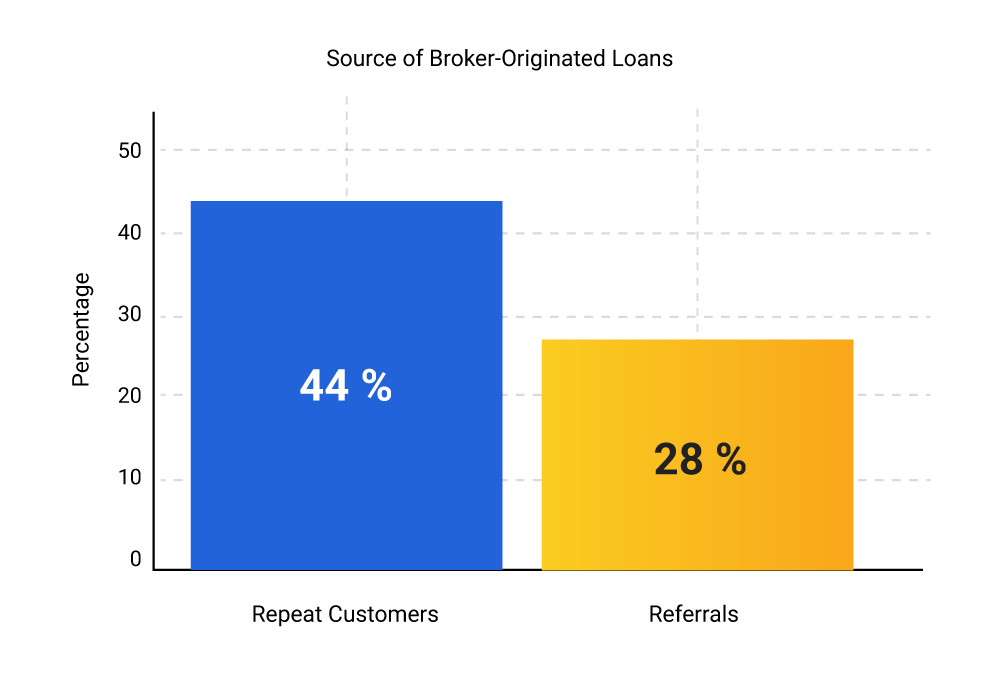
You should use data to time your outreach. For instance, 44% of broker-originated loans come from repeat customers. And 28% of them come from referrals. Accurate targeting will reduce wastage in your mortgage communication efforts.
Use Simple, Jargon-Free Language
You cannot expect all your borrowers to possess the same level of financial literacy. In fact, different audiences will have varying levels of knowledge. Hence, it’s better to avoid financial jargon at any cost.
Especially, first-time buyers can get utterly confused by the mortgage process. Speak in plain language without overcomplicated messages. It is a crucial step in building trust and credibility. Firms with high levels of customer trust can outperform peers by up to 400% in market value.
Add QR Codes or Personalized URLs
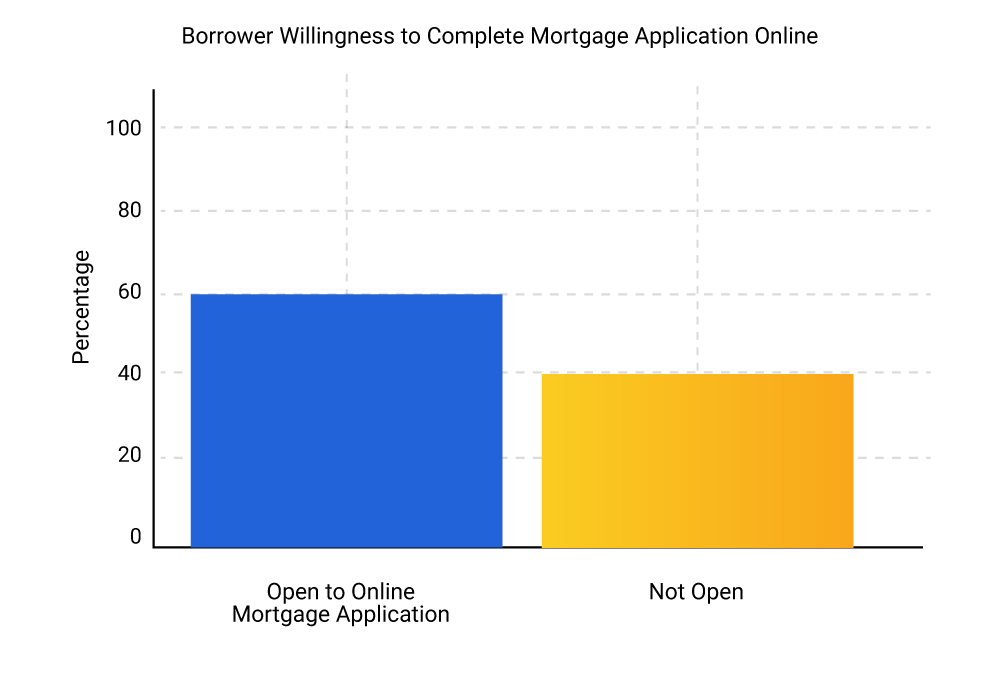
Around 60% of purchase and refinance borrowers are open to completing a mortgage application online. Yet, the satisfaction rate might drop if decisions take more than 10 days. You can include interactive elements in your mailer to make it easy for recipients to take action. For example, a QR code can send recipients to a loan calculator or pre-approval form.
Keep it Short
You’re not writing terms and conditions document. There’s no point in adding too much content to your mail. In fact, simple postcards or short-form letters are sufficient. Additionally, a clear headline, a quick benefit, and a call to action will suffice. It’s much better than long explanations. In short, you can always guide your recipients to your online pages instead of adding everything in the mail.
Make it Personal
Deloitte suggests that customer-centric companies with personalization as a priority are 60% more profitable. Your mortgage CRM is a goldmine of customer data. In fact, use this data to personalize mail with:
- Names
- Local market rates
- Nearby properties
- Exclusive industry insights
Personalized mailers convey a sense of intentionality, rather than feeling generic or mass-produced. Besides, people expect brands to send tailored messages for their marketing campaigns. Yet, 50% of consumers believe that personalization often falls short or fails to meet their needs. Therefore, you must be very selective about the data you use in mortgage communications.
Use Follow-Up Triggers
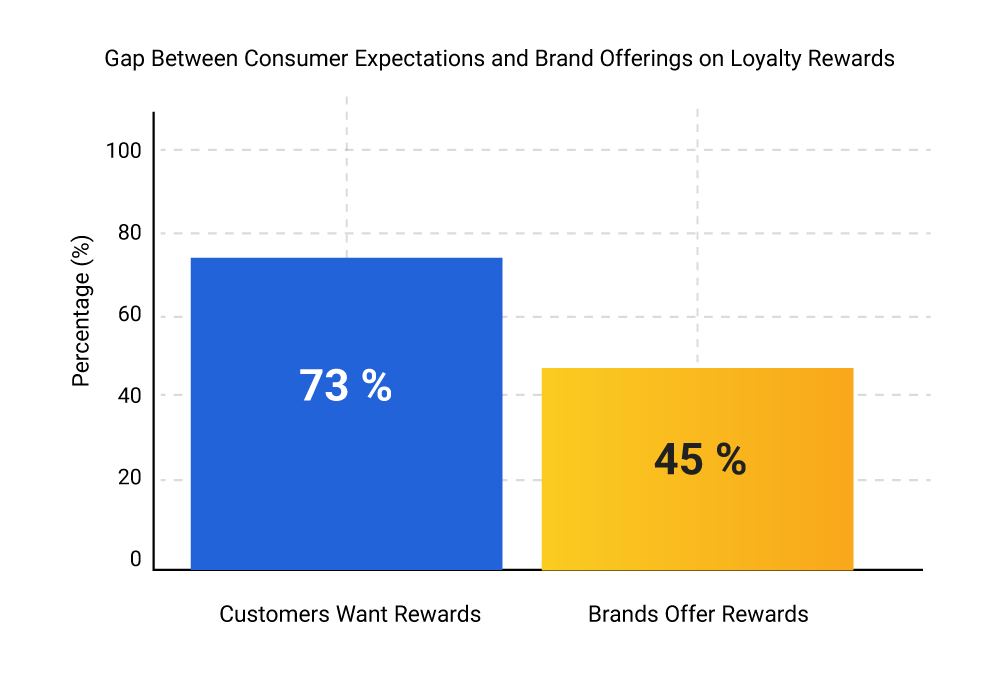
A postcard or letter alone won’t create much impact. You need to bake direct mail into the mortgage lead journey. First, send a mailer when a lead is added to your mortgage CRM, and then, if they don’t respond, send another. Subsequently, send the third one if they begin the application process but stop. You can implement the same strategy in your loyalty program. 73% of consumers want personalized loyalty rewards. Yet, only 45% of brands offer them.
Also Read: Types of Consumer Lending Documents for Outsourcing
How Does Direct Mail Compare to Other Forms of Communication Channels?
Most mortgage companies heavily rely on digital tools. You have email, social media, paid ads, and SMS. Undoubtedly, there are faster and cheaper alternatives than offline means. Yet, you must know people get hundreds of digital messages a day. Thus, it’s easy for them to ignore or delete these messages. Everything is only present on the screen. There’s no physical presence to remind people about your brand.
Direct mail is different! But how?
It Gets Noticed
Many studies show that direct mail has a higher open rate than digital mediums. Unlike digital messages, people can hold physical mailings in their hands. It makes it a highly noticeable format of mortgage communication. Even if they toss it later, they still read it first. In short, this first impression is everything.
It Feels More Trustworthy
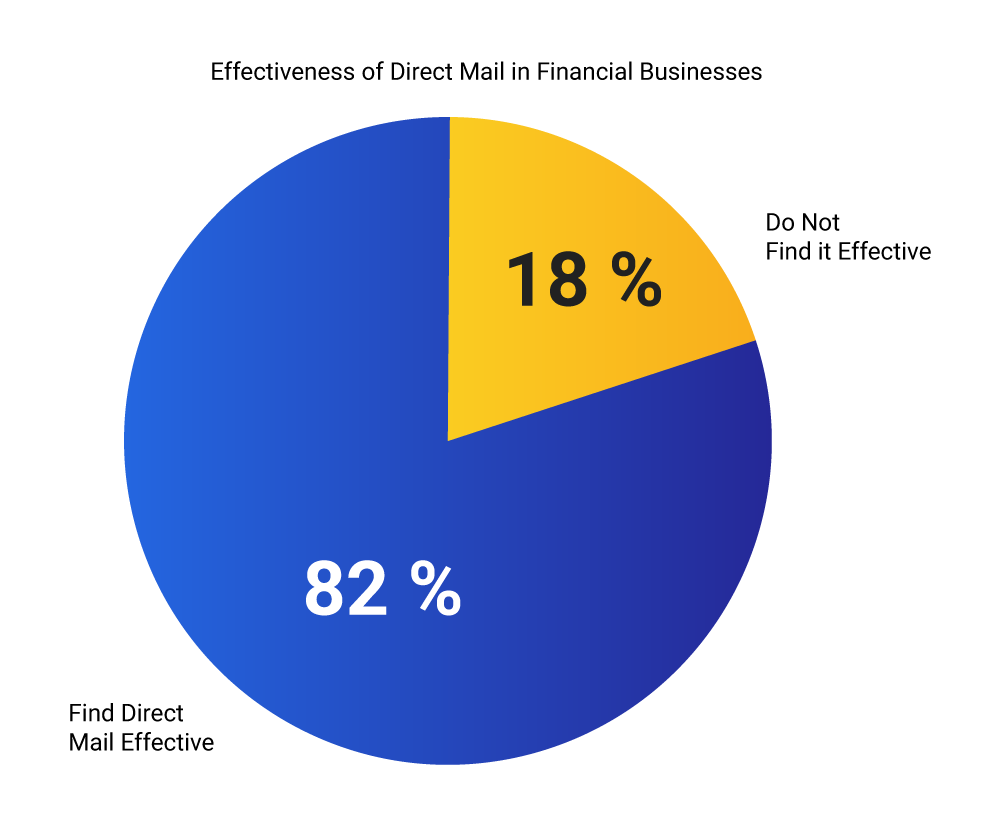
Digital scams are everywhere. Almost anyone can register or buy a domain and run ads. Above all, trust is a critical aspect in a financial business like mortgage. Physical mail feels official and credible than digital messages. For example, borrowers will take a mortgage options letter more seriously than an email. For this reason, 82% of financial businesses find direct mail effective.
Direct Mail Doesn’t Depend on Algorithms
At this time, we should also discuss digital algorithms. Social media platforms limit your reach. In contrast, your email may end up in the spam folder. Unlike digital channels, direct mail doesn’t rely on tech rules. It directly lands in the mailbox. In fact, it does have to fight against filters, scrolls, or swipes. Moreover, 57% of consumers say direct mail feels more secure than random digital communication.

It Has a Longer Shelf Life
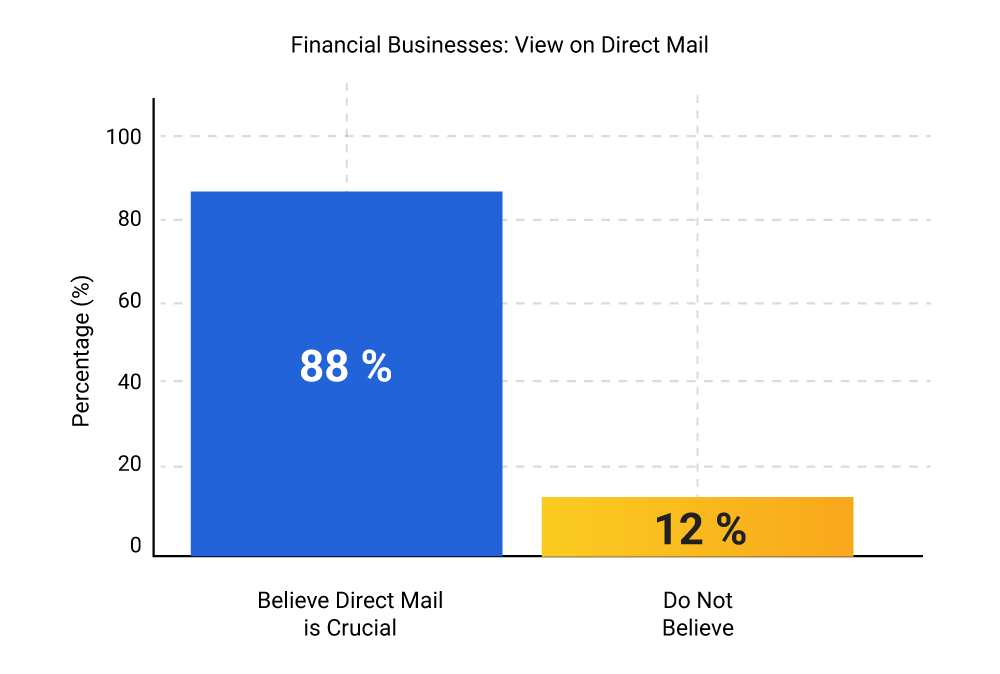
A marketing email vanishes in seconds. Even a well-executed social media campaign cannot sustain engagement for long. Whereas a physical postcard can sit on a table for days. 88% of financial businesses believe that direct mail is crucial to their operations. A physical message has more time to be seen. In fact, people are more likely to respond as well.
It Pairs Well With Digital Tools
You don’t have to choose one channel over the other. Direct mail automation can boost your digital results. In fact, each medium can complement the other. For instance, a personalized postcard can drive someone to your site. Then, it can remind a lead in your mortgage CRM to book a call. Lastly, you can follow up when someone abandons a form. There could be numerous workflows to maintain a communication loop with leads.
Emerging Trends in the Use of Direct Mail Within the Mortgage Industry
Direct mail has been around for decades. In fact, you must have been receiving a lot of physical mail since your childhood. The rising use of digital marketing might be overshadowing traditional mail. Nonetheless, many companies are now finding new ways to use in their mortgage communication strategy.
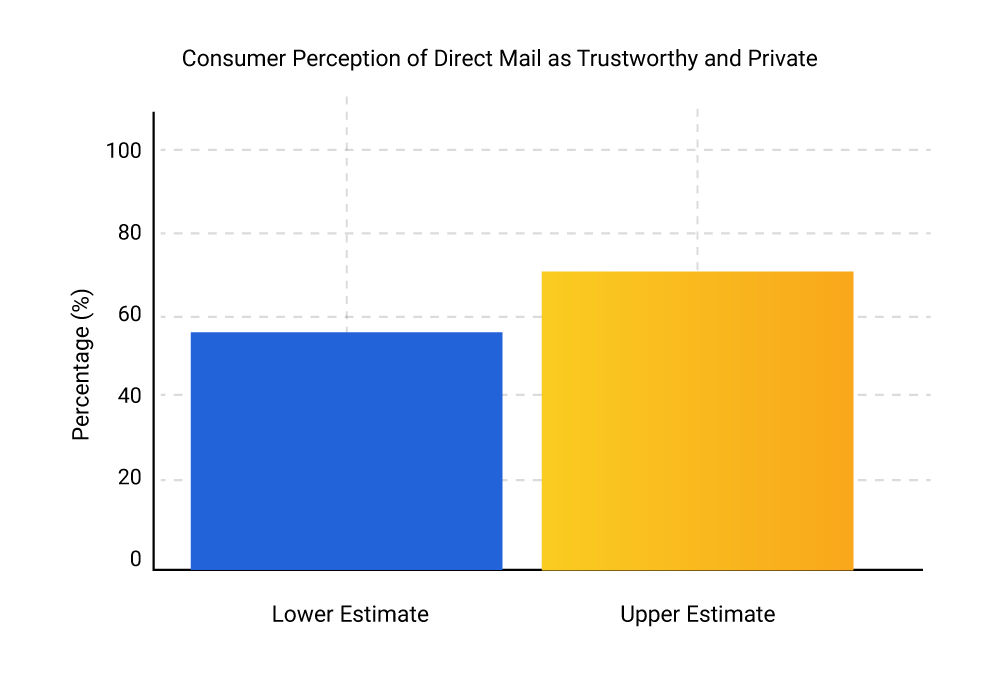
Between 58% and 70% of consumers still perceive direct mail as trustworthy and private. Physical mail is getting smarter, faster, and more targeted than ever. Above all, automation technology and third-party vendors are bringing innovation to this channel.
Here are the top trends in the mortgage process with direct mail:
Data-Driven Targeting
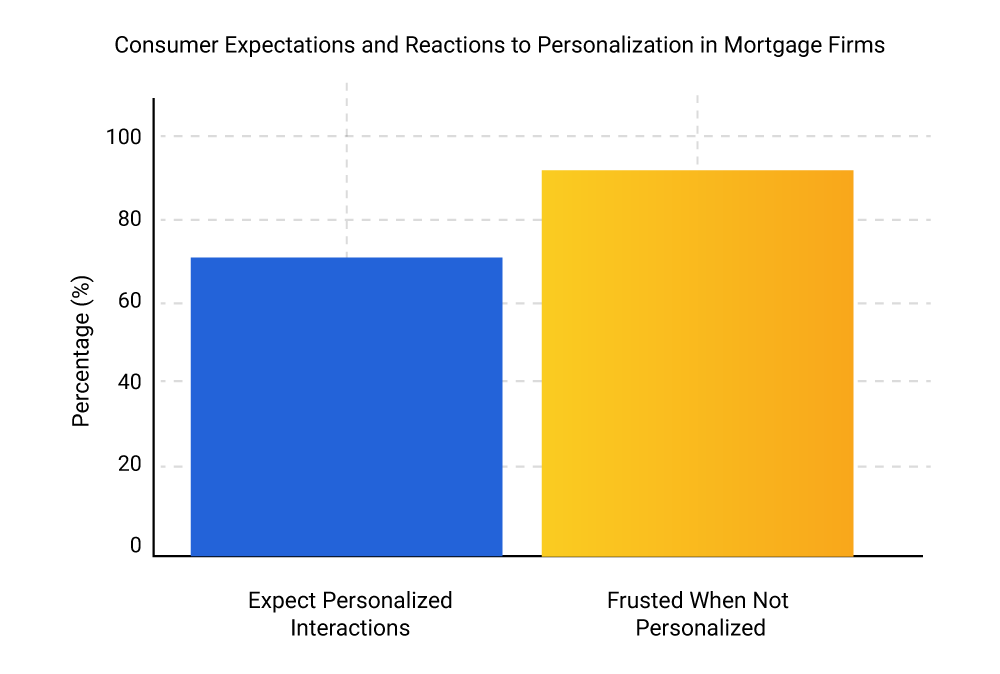
71% of consumers expect personalized interactions from mortgage firms. In fact, 76% of them show frustration when brands fail to deliver a customized experience. Mortgage companies are aware of this and are working to segment their target audience. For this reason, they use advanced tools to filter leads by:
- Demographics
- Behavior
- Location
- Past inquiries
Precise targeting is essential for achieving a higher ROI and minimizing wasted prints. Additionally, better data enables you to reach people who are more likely to take action.
Automation is Becoming Standard
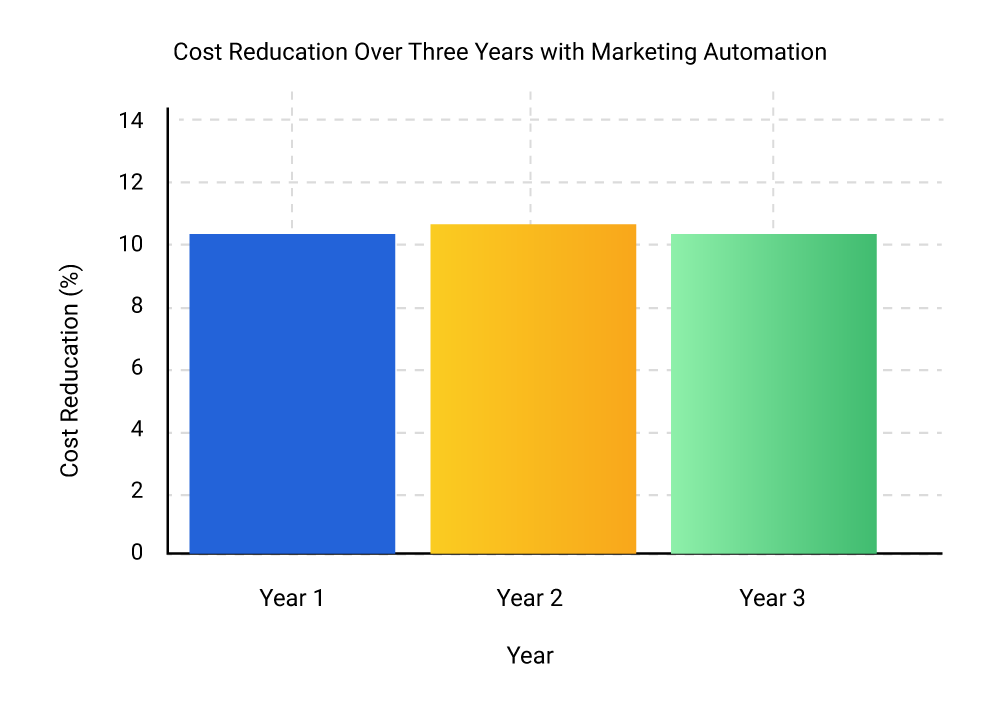
Marketing automation can reduce costs by 31-32% over a three-year period. Traditional mail is slow and manual. Due to this, most mortgage companies prefer digital marketing. Yet, direct mail automation is changing this scenario with API integrations. Now, you can trigger mail from your mortgage CRM. In fact, a personalized mailing can go out whenever someone enters your funnel. Altogether, the possibilities are endless without touching a printer.
Personalization is Getting Deeper
Generic personalization isn’t working anymore. Whereas, advanced personalization typically drives a 10-15% revenue shift. Mortgage companies are customizing their mailings by:
- Loan type
- ZIP code
- Credit profile
- Past interactions
- Stage in the mortgage process
These efforts are necessary to keep borrowers engaged. Likewise, mortgage communication is incomplete without tailoring the messages. For instance, you should send different messages to first-time buyers and refinancing customers.
Integration With Digital
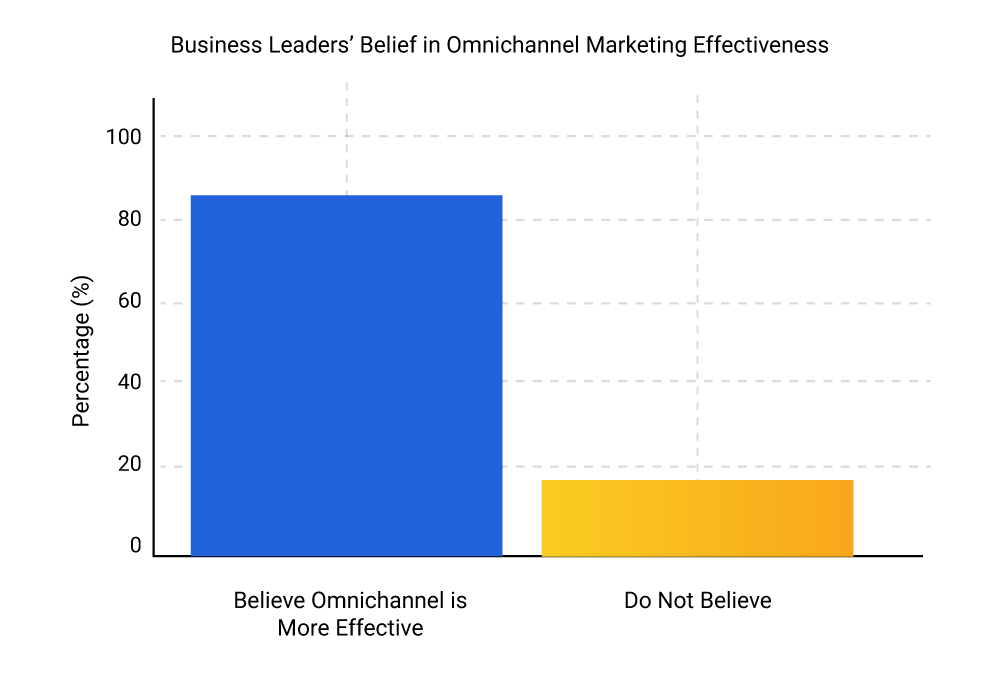
Mortgage companies shouldn’t use direct mail as a standalone channel. It works best when it’s a part of the bigger picture. Currently, 83% of business leaders believe that omnichannel marketing is more effective than traditional methods. Thus, you should pair physical mail with:
- Retargeting ads
- Social media campaigns
- SMS
A chain of communication is necessary to create multiple touchpoints. For instance, someone visits your mortgage landing page, but doesn’t convert. Now, you can send a follow-up postcard a few days later. Altogether, your mortgage communication strategy gets better reach.
Use Creative Formats
Letters and postcards are the most popular physical mail formats. Yet, you can create the best impact if you can’t differentiate. Some lenders are testing mailers with detachable response cards, fold-outs, and even handwritten notes. Ultimately, the goal is to appear less like an ad and more like something worth opening. People should have a reason to open your mortgage communication mailer.
Increasing Compliance Risks
56% mortgage companies say that at least one of their marketing channel is not monitored for compliance. Keeping up with regulatory compliance was challenging with traditional compliance methods. Differing from tradition, automated direct mail solutions follow regulations like:
- HIPAA
- PIPEDA
- GDPR
- SOC-2
- PCI DSS
They have built-in templates, approval workflows, and delivery tracking features. Thus, lenders can meet legal standards in their mortgage communication. Altogether, it is a necessary step to avoid legal and financial consequences.
Why Consider PostGrid for Your Mortgage Business?
Mortgage communication requires extensive planning and investment with traditional mail. Modern strategies need personalization, tracking, and automation. That’s where you have PostGrid. Our Print & Mail API helps you automate your communication strategy, from start to end.
It connects with your systems and turns your data into action. Besides, you don’t need to worry about manual printing, sorting, stuffing, addressing, or postage. Use a single dashboard to set up your mortgage communication campaigns on the go. Moreover, Variable Data Printing (VDP) lets you personalize individual mailings with your CRM data. Modernize your printing and mailing operations with our API.
Sign up now to upgrade your mortgage communication strategy with PostGrid.
💡Also Read: Communication Infrastructure
FAQs
What Are the Six Types of Mortgages?
- Conventional Loans: The government doesn’t back these loans. Yet, they work well if you have good credit and a steady income.
- FHA Loans: The Federal Housing Administration backs these loans. In fact, they are perfect for first-time buyers. People with lower credit scores can also use them.
- VA Loans: These loans are only available for veterans and active-duty service members. Above all, the Department of Veterans Affairs backs them. They often come with no down payment.
- USDA Loans: These loans are ideal for buyers in rural areas. The U.S. Department of Agriculture backs these loans.
- Fixed-Rate Mortgages: Your interest rate remains the same for the entire loan term. Moreover, they are more predictable and stable.
- Adjustable-Rate Mortgages (ARMs): Your rate starts low but can change over time. They work if you plan to move or refinance before the rate adjusts.
What is a Mortgage CRM System?
It is a dedicated software that helps you manage communication with leads and clients. Additionally, it:
- Tracks individuals in the mortgage process
- Stores contact information
- Send a follow-up at the right time
You can also connect these CRMs with direct mail automation tools, such as PostGrid. Altogether, it is an essential component of mortgage communication.
Who is the Ideal Audience for Mortgage Direct Mail Campaigns?
With good targeting, you can reach the right people for your campaign. For example:
- First-time homebuyers
- Homeowners looking for a refinance
- Past clients who might need a new loan
- People relocating to a new area
- Real estate investors
- Borrowers stuck in the middle of the process
What Types of Mail Formats Work Best for Mortgage Lenders?
Mortgage communication needs to experiment with what works best with your audience.
- Postcards: Good for short messages or reminders
- Letters: Formal, professional, and great for explaining offers
- Self Mailers or Brochures: Help you tell a bigger story, like a full breakdown of loan options
Can You Personalize Direct Mail for Leads?
Personalization of mortgage communication increases the likelihood that it will be read and remembered. For instance, you can customize:
- Names and addresses
- Loan types or estimated offers
- Local information
- Call-to-actions based on where they are in the process