How to Ensure Insurance Policy Management Address Accuracy
The insurance industry is changing fast. Customers expect more. In fact, 88% of customers say the experience a company provides is as important as its products and services. Thus, it means a smooth, easy journey matters deeply. Good insurance policy management address accuracy is central to this. It builds trust. Also, it keeps clients happy.
Thus, ignoring this area costs money and loyalty. Also, prioritizing customer experience in every part of your insurance management is crucial. This guide will show you how to excel in insurance policy management address verification. Let us dig in!
Key Takeaways
- Customer experience is vital in insurance, directly impacting retention and trust.
- Accurate address data insurance policies are fundamental for correct pricing, efficient service, and compliance.
- Geocoding and address verification tools improve insurance policy management address data quality at every step.
- Integrating these tools into your existing systems provides real-time benefits and reduces errors.
- Proactive address validation and ongoing data hygiene are crucial for long-term success.
- Using specialized APIs can significantly enhance the accuracy of your insurance policy management address records.
Why Does Customer Experience Matter in Insurance?
Customer experience (CX) is now a top battleground for insurance companies. It's no longer just about offering the best coverage or the lowest premium. Today, it is about ease, transparency, and trust. Poor experiences lead to lost clients. Thus, satisfied clients stay longer. They also refer new customers. Hence, investing in an insurance customer experience address improves your bottom line directly.
Think about a typical client journey. From the first contact to filing a claim, every interaction shapes their view. If processes are clunky or information is wrong, frustration builds. For example, incorrect insurance policy management address details can delay mail or cause billing issues. This harms the relationship. Thus, a smooth journey builds loyalty. It also makes your service stand out. Good CX helps differentiate your insurance brand.
Many insurance companies still struggle with outdated systems. This leads to slow processes and errors. Customers, however, live in a digital world. They expect instant solutions. Also, they want to access information easily. They seek proactive communication. Hence, modernizing your approach to insurance management is essential. It includes how you handle insurance policy management address data.
A positive experience can turn a policyholder into an advocate. They will speak well of your agency. Moreover, they will recommend your insurance policies. But a bad experience spreads quickly through negative reviews. Thus, focusing on CX is a strategic move for any business. It builds a strong reputation. Also, it secures future growth.
💡Also Read: Physical Address Definition and Use
Why Focus on Address Data Accuracy, and How Is It Related to the Customer Experience?
Accurate address data insurance policies are the backbone of efficient insurance policy management. This data affects almost every part of the customer journey. It is not just about sending mail. It influences risk assessment, pricing, billing, and regulatory compliance. Hence, investing in insurance policy management address accuracy is critical.
Imagine a client moves. If their insurance policy management address is not updated quickly and correctly, problems arise. They might miss important notices. Their billing statements could go to the wrong place. And their coverage might even be based on outdated location information. All these issues create friction. Thus, the customer experience suffers greatly.
Impact on Underwriting and Pricing
The address is a key factor in calculating risk. For example, a home's location affects its exposure to flood, fire, or theft. An auto policy's price depends on where the car is garaged. Inaccurate insurance policy management address data leads to incorrect premiums. Thus, the client might be overcharged or undercharged. It can lead to future disputes or even policy cancellations. Hence, precise address data insurance policies are vital for fair pricing.
Ensuring Timely Communication
Effective policy management relies on clear communication. This includes sending out renewal notices, billing statements, and legal documents. If the insurance policy management address is wrong, these crucial pieces of mail won't reach the customer. Also, it can cause missed payments, lapsed coverage, or regulatory fines. Hence, reliable contact information is paramount. It ensures the client stays informed.
Compliance and Fraud Prevention
Regulatory bodies require accurate record-keeping. Incorrect address data insurance policies can lead to compliance issues. It can result in penalties for insurance companies. Furthermore, accurate addresses help prevent fraud. Bad actors often use fake addresses. Thus, robust verification protects both the insurer and honest policyholders. Also, it ensures the integrity of your insurance management system.
Streamlining Claims Processing
When a client files a claim, the address is central. It helps dispatch adjusters. It ensures correct property identification. If the insurance policy management address is inaccurate, it can delay the entire claim process. This adds stress to an already difficult time for the customer. Hence, getting the address right from the start improves service efficiency.
💡Also Read: Address Verification & Validation Pricing
Incorporating Geocoding and Address Verification Into Your Insurance Systems
What Is Geocoding?
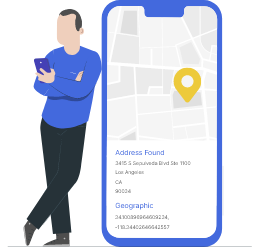
It converts a street address into precise geographic coordinates (latitude and longitude). Think of it as giving every address a unique GPS point. This goes far beyond just a ZIP code. For insurance companies, this precision is invaluable. It helps assess specific risks for a property. For example, it can determine if a home is in a flood zone or near a wildfire risk area. Hence, it allows for more accurate underwriting and pricing.
For policy management, geocoding ensures that the risk is tied to an exact physical location. This impacts home, auto, and commercial insurance policies. It provides a clear picture of exposure. Thus, it leads to fair and accurate premiums. This transparent pricing builds client trust.
What Is Address Verification?
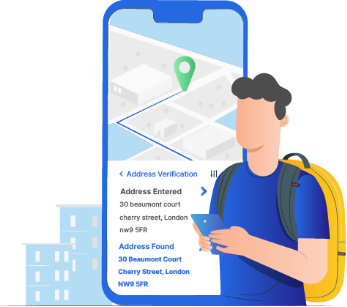
It checks if an address is real and mailable. It compares the entered address against official postal databases. This process corrects typos, missing information, and formatting errors. For instance, it can standardize “Street” to “St.” or add a missing ZIP+4 code. Hence, it ensures mail delivery.
Integrating address verification into your application forms is crucial. When a potential client enters their contact details, the system validates them instantly. If there is an error, it suggests a correct alternative. This reduces manual corrections later. Thus, it saves time and money. It also prevents frustration for both the customer and agent.
Integrating These Tools
These tools should be integrated directly into your core insurance management systems. This means they should be part of:
- Online Application Forms: Real-time validation as a client enters their address. It prevents bad data from ever entering your system.
- Agent Workflows: When an agent inputs data, the system should verify it instantly. Also, it supports better service.
- Existing Databases: Periodically clean your entire database of insurance policy management address records. Thus, it ensures ongoing accuracy.
- Billing Systems: Confirm that billing addresses are correct before sending statements. Hence, it avoids payment delays.
💡Also Read: Postal Address Example and Format in 2026
More Tips for Insurance Policy Management Address Validation
Use Autocomplete and Suggestive Search
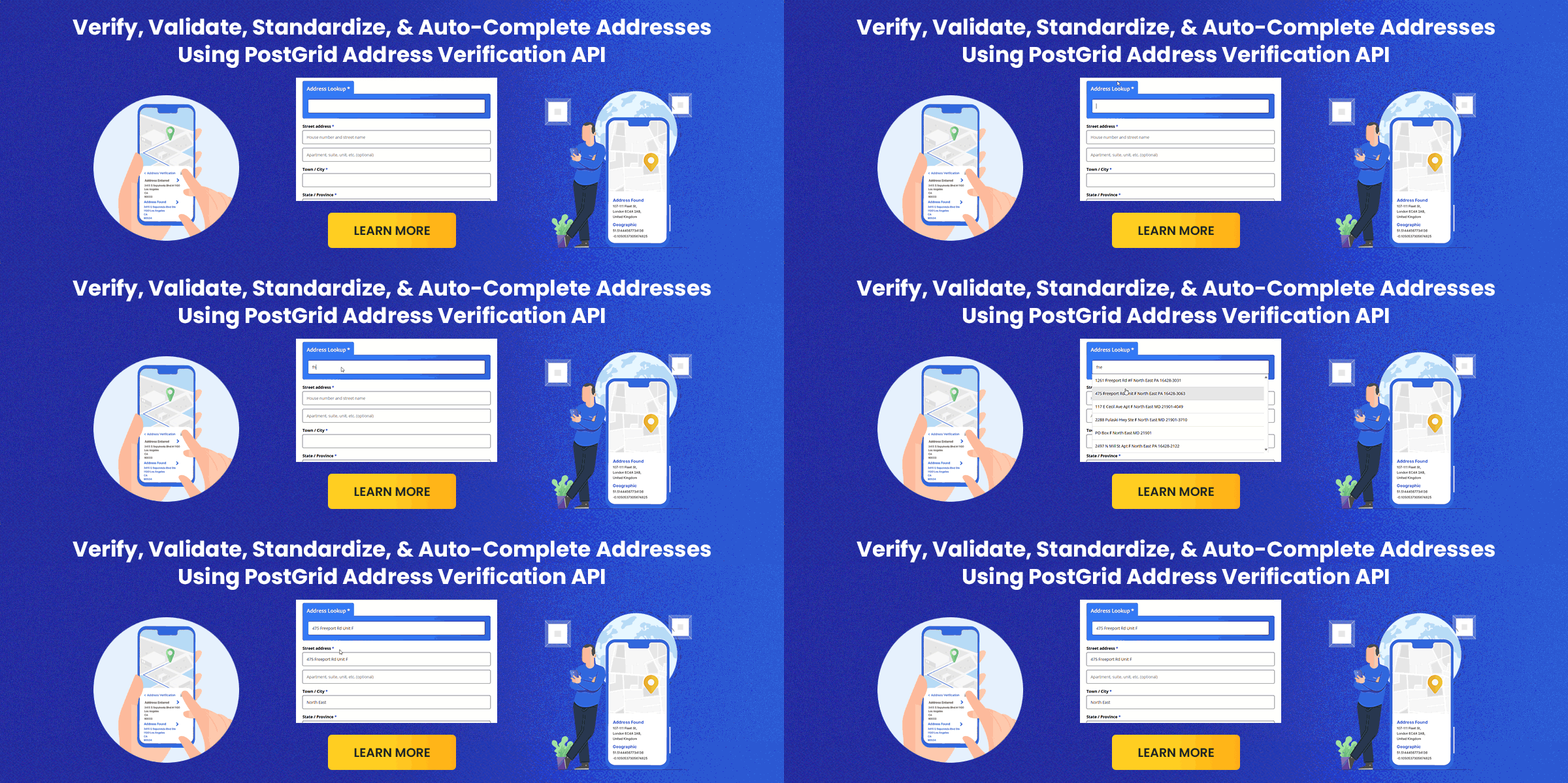
When a client types an address, an autocomplete feature can suggest valid options. This speeds up data entry. It also reduces typos significantly. For example, as they type “123 Main St,” it might suggest “123 Main Street, Anytown, CA 90210.” This ensures the correct form of the address is used. Thus, it improves data capture efficiency.
Implement Persistent Unique Identifiers (PUIDs)
Assign a PUID to each validated address. This ID remains consistent even if the physical address details change slightly. This ensures that the system always refers to the exact location. For insurance policies, this can prevent duplicate records or conflicting information. Hence, it maintains data integrity over time.
Regularly Clean and Update Existing Data
Address data is not static. People move. Street names change. Postal codes are updated. Therefore, periodic data hygiene is essential. Regularly run your existing insurance policy management address database through verification tools. It identifies and corrects outdated or inaccurate entries. Thus, it maintains a high level of accuracy. This proactive approach improves the ongoing service you provide.
Train Your Staff
Even with automated tools, human error can occur. Ensure your agents and customer service teams understand the importance of address accuracy. Train them on how to use the verification tools effectively. Encourage them to confirm addresses with clients during every contact. Thus, they become an active part of your data quality efforts.
Leverage Customer Self-Service
Empower clients to update their own contact information through a secure online portal. When a client moves, they can log in and update their insurance policy management address directly. The system can then verify the new address in real-time. This shifts some of the data entry burden to the customer, ensuring they maintain accurate records. Hence, it improves their experience and your data quality. Offer a clear option to download documents with updated information.
Automate Data Capture
Reduce manual data entry wherever possible. For instance, if a client provides a scanned document with their address, use Optical Character Recognition (OCR) to extract it. Then, immediately verify this extracted address. It minimizes human transcription errors. Thus, it leads to higher accuracy in your policy management.
💡Also Read: India Address Format With Examples
PostGrid's Address Verification API: How It Helps Ensure Improved Insurance Customer Experience
Choosing the right partner for address data insurance policies validation is crucial. PostGrid offers a robust Address Verification API designed to meet the specific needs of insurance companies. Its features directly translate into improved customer experience and operational efficiency for your insurance management.
PostGrid's API provides real-time validation. When a client enters their insurance policy management address on your website, or an agent inputs it, the API checks it instantly. It compares the address against a vast, frequently updated database. This ensures accuracy at the point of entry. Thus, it prevents bad data from ever entering your system.
Furthermore, PostGrid's solution includes geocoding. It provides precise latitude and longitude coordinates for each address. This empowers insurance companies to make more accurate risk assessments. For example, for life insurance or property coverage, knowing the exact location is critical. Thus, it leads to fair pricing and reduces claim disputes related to location.
Sign up now for more details on how to ensure your insurance customer addresses are always accurate and updated!
FAQs
What Is Insurance Policy Management?
Policy management encompasses all the processes involved after an insurance policy is sold. This includes managing endorsements (policy changes), renewals, billing, document access, and general inquiries. Effective policy management ensures that insurance policies remain accurate, up-to-date, and meet the changing needs of the client.
How Can I Improve My Insurance Customer Experience?
To improve insurance customer experience, focus on digital self-service options, clear communication, and personalized interactions. Ensure easy access to policy information, streamline payment processes, and provide proactive guidance. Critically, maintain highly accurate insurance policy management address data to prevent communication issues.
Why Is Accurate Address Data Crucial For Life Insurance?
Accurate address data insurance policies are crucial for life insurance to ensure proper underwriting, communication, and beneficiary identification. The correct address is vital for sending important policy documents, annual statements, and claim notices to the policyholder or their beneficiaries. Also, it ensures the policy is tied to the correct individual for identity verification and fraud prevention.
What Is the Role of an Agent in Policy Management?
An agent plays a vital role in policy management by serving as a primary contact point for clients. They help clients understand their coverage, process policy changes (endorsements), answer questions, and guide renewals or claims. An effective agent leverages accurate data to provide personalized service and strengthen the customer relationship.
How Does an Insurance Company Ensure Data Security for Client Addresses?
An insurance company ensures data security for client addresses through multiple measures. These include encryption of data in transit and at rest, multi-factor authentication for access to systems, regular security audits, and compliance with data privacy regulations (e.g., GDPR, CCPA). Also, they implement strict internal protocols for handling sensitive contact information to prevent unauthorized access.