


Utility Bill: Types and Factors That Affect the Price
A utility bill is a monthly invoice sent by a utility company or service provider to consumers for using their services. Water, electricity, gas, and mobile data are some standard services that provide utility bills to users. Usually, a utility bill consists of your name, address, contact information, account number, and billing information.
Utility companies should use proper direct mail automation software to streamline the printing and mailing of their physical bills. They can integrate the direct mail APIs into their existing CRM or accounting software to create event-based triggers and automatically send the bills. It eliminates the need to buy expensive equipment or hire a dedicated staff member to manage manual mailrooms. This blog will help you learn everything about utility bills and how to interpret them.
TL;DR
- Utility bills are sent monthly by service providers for essential services like electricity, water, and gas based on usage.
- Understanding bills requires familiarity with specific terms and components, such as usage charges and billing cycles.
- Environmental changes and market fluctuations are among the various factors that can affect utility prices.
- Automation of billing processes through APIs can improve efficiency for utility providers.
Key Takeaways:
- Utility or service providers send utility bills to consumers depending on their usage.
- A standard utility bill contains the user's name, address, contact information, account number, and usage details.
- Electricity, water, gas, internet, and cell phones are the most common utility bills.
- Users must learn about the different terminologies and anomalies to understand utility bills.
- Environmental factors, market changes, or political unrest can impact utility bills.
- Direct mail automation saves utility providers time and effort.
What is a Utility Bill?
Utility service providers send monthly invoices to individuals and businesses for using utilities or services. These bills are frequent in most people's lives and can quickly accumulate hundreds of dollars a month in expenses.
You pay utility bills for services like water, electricity, gas, and other utilities that support the infrastructure of your home or business. Usually, there's a single provider for each service in a city or town. The fundamentals and format of utility bills vary from place to place and service to service. Many government agencies and organizations often use utility bills as proof of residence.
Most utility bills contain basic information like your name, address, contact information, account number, billing amount, and other details. You get a precise idea of the service usage during the billing period. Payment details are also included in a utility bill example. It tells you about the amount you owe, the due date, and how to process the payment.
Users should retain their bills to track their usage habits. It will help them understand where they could be inefficient and reduce their bills. Traditionally, the fundamental utility bills were water, electricity, and gas bills. However, the modern world also considers cell phones and internet services essential utility bills. Continue reading to explore the different types of utility bills.

Types of Utility Bills
Usually, a single corporation or agency manages each utility service in an area. It might be hard to clarify what bills are considered utility bills. Some countries also have utility costs for sewer and trash. Technological and lifestyle advancements also led to the changing answers to the question, “What are utility bills?”
Some individuals may also include internet, cable, and apartment maintenance expenses in utility bills. However, these are the core utilities common around the world;
Electricity Bill
We cannot run almost any appliance without electricity at home or work. It is the most crucial utility that comes into our mind when thinking about “what is a utility bill?”
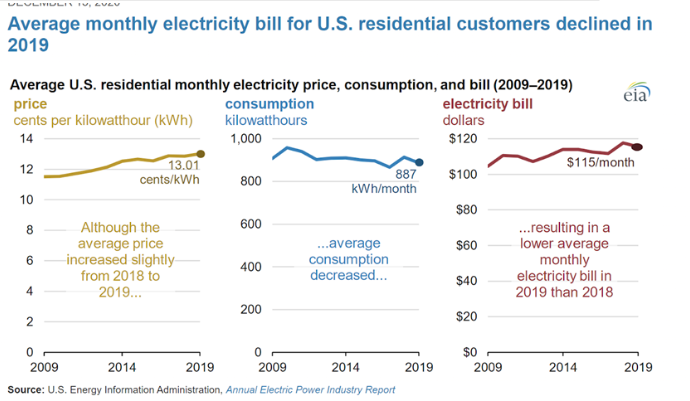
Using your television, running your AC, lighting your rooms, warming water, or charging your cell phones all require electricity. Energy companies send you a utility bill on your monthly usage. The U.S Energy Information Administration (EIA) suggests that the average electric bill in America per household is over $115 a month.
Most countries still rely on coal-powered electricity plants. However, some countries are implementing fully renewable or nuclear energy plants. Electricity utility bills include four primary components: customer, generation, transmission, and distribution charges.
An electricity utility bill measures your consumption in kilowatt hours or kWh. A 1000-watt appliance running for an hour consumes 1 kilowatt of energy.
Pro tips to reduce your electricity bills in 2024
- Properly insulate your home to make your home cooler in summer and warmer in winter.
- Unplug appliances that are not in use.
- Use IoT automated appliances
- Service your HVAC system regularly and also replace its filters.
Gas Bill
Gas is a common utility service necessary for cooking, drying clothes, getting hot water, and warming your home. Consumer prices vary across the country, but natural gas has been an essential utility service for centuries.
The American Gas Association claims that the average household bill is about $59 monthly. Some utility providers even combine electricity and gas bills. However, this average cost also depends on usage and the average price in each state. Many larger homes have appliances like water heaters, furnaces, and stoves, which often lead to higher gas bills.
A gas bill has three main components: customer charge, delivery charge, and gas charge. The final utility bill combines all these charges for customers. Additionally, these companies levy taxes, supply, and storage charges. You will find Therms in your gas bill.
It is the official billing unit for gas bills. However, utility meters measure total usage in centum cubic feet (CCF).
Pro tips to reduce your gas bill in 2024
- You should lower your thermostat by each degree.
- Use enough warm clothing in the winter to reduce the use of heaters.
- Investing in smart thermostats could lead to huge savings.
- Don't use outdated or old appliances.
- Ensure proper maintenance of all appliances to maintain efficiency.
Water Bill
Water is essential for the survival of any lifeform on this planet. How water is used depends on the household and its lifestyle. Some might use the water supply to fill a pool or keep their lawn green, while others will prefer to use it only for drinking and cleaning.
The US EPA suggests that an average American uses 82 gallons a day. A few localities also include sewage charges in water bills. A water bill covers the monthly cost of supplying and delivering water to your location.
Anything in your house that consumes running water adds up to the final number you see on your water utility bill. The price mainly depends on your location and the service provider. Most governments worldwide advise people to conserve water due to the rising concerns of global warming and water shortage.
A water utility bill includes the major components: service, delivery, and water usage charges. The water meter in your home measures your consumption in cubic feet. You can convert this figure into gallons by multiplying it by 74.8.
Pro tips to reduce your water bills in 2024
- Ensure there are no leakages in your pipelines and water tanks.
- Collecting rainwater in barrels could be effective in reducing tap water consumption.
- A dishwasher can save more water than washing utensils by hand.
- Use low-volume toilets and shower heads with adjustable flow.
Cover your swimming pool to reduce evaporation.
💡 Also Read: Utility Bill Template
Other Types of Utility Bills
There are other regular services that individuals might not consider in utility bills. It is often a debatable question; “what is considered to be a utility bill?”. However, we must add all services that contribute to the infrastructure and functions of a home or business.
Internet Services
The internet might not be a fundamental necessity for some to sustain life. However, many individuals work from home, attend classes, use streaming services, and connect smart home services with the help of the internet.
The Internet is becoming an essential part of modern life. A utility bill includes internet services. You must pay for the internet plan you choose monthly. Prices depend on the service provider and the connection speed.
Trash and Recycling
Many localities already include trash and recycling services in the city taxes or via homeowners associations. However, you might need to pay a utility bill in some places. These localities consider trash and recycling to be utility. The authorities of such areas will charge you a monthly fee.
Cell Phone
We cannot understate the importance of cell phones in today's interconnected world. They are a fundamental necessity for most people worldwide. Some consider their cell phones as essential as their landline phones. Most would say a utility bill includes cellular data services.
Insurance
It is often a highly debatable topic to consider insurance in your utility bills. However, insurance premiums usually don't qualify on the list of utility bills. Many individuals are sustaining their lives without any insurance.
💡 Also Read: Take Benefits of Outsourcing Utility Billing Services.

What Information is Present on a Utility Bill?
A utility bill includes a customer's name, address, and account number. You will also find the amount you owe, the due date, and instructions on how to make the payment. However, the format of this information could be different depending on the utility bill type.
A typical utility bill informs you about your usage of the service. For example, an electricity bill would state the units of electricity you consumed during the billing period. It may even show the updates over several months.
The cost of your utility consumption depends on the service, provider, location, usage, and various other factors.
How to Read and Understand a Utility Bill
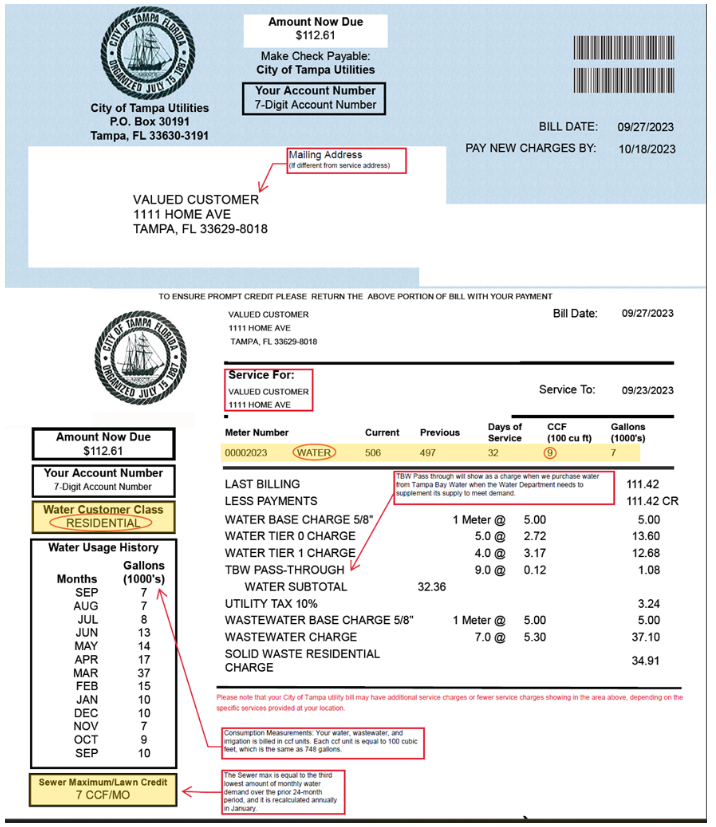
The look of your utility bill depends on the service provider and utility type. However, it is relatively easy for a layman to understand how to interpret these bills and different kinds of utility bills. For example, a water bill is likely to have the personal information of the consumer.
There will be an itemized list of monthly charges, including your total gallon usage and other service charges. The total amount is present at the bottom of the bill. You must pay this total figure to the service provider to avoid penalties or service outages. Different utility bills use distinctive usage units. For example, a gas bill measures usage in thermal units, while a phone bill considers data usage, etc.
However, the total amount of every bill is put at the bottom of the billing statement.
Account Information
This includes all the essential information: your name, service address, account number, billing date, and due date. These details serve as your unique identifier and ensure that the charges are directed to the correct individual or business. They will also help resolve disputes when you contact customer support.
Billing Summary
This is a quick snapshot of your financial activity with the utility provider. This can help you understand whether your last payment was recorded and to verify if there is any outstanding amount. It typically includes the following information:
- Your previous balance
- Any payments received since the last bill
- New charges for the current billing cycle
- Total amount due
Payment and Contact Information
At the end of the bill, you will find the information on how to make the payment. Most utility providers offer multiple options, including online portals, auto-pay enrollment, phone payments, and traditional mail. If your payment is overdue, it will also include the deadline, along with the repercussions, such as a disconnection warning.
Terminologies
Each utility provider uses different terminologies to identify a service or other factors. You must learn these terminologies before reading a utility bill. It would give a perfect understanding of “What is a utility bill?” or “Utility bill example.”
Meter Reading
It refers to the exact figure of the user's utility consumption at the meter over time. A meter reading could be about anything, such as electricity, gas, water, or even mobile data usage.
Billing Cycle
It indicates the time between two billing statements for the utility services. The billing cycle is also famous as the billing period worldwide. Usually, the utility provider will charge you monthly for using their services.
Base Charges and Usage Charges
The base charges are fixed charges that you must pay regardless of your utility usage. Your utility provider needs this amount to cover the utility's administrative operations. In contrast, usage charge refers to the money you owe for the usage of a particular service. It means you must pay the base price even if you don't use the utility.
Anomalies
It is expected to have irregularity or inaccuracy in your utility bills. You must learn about these factors to easily decode errors in your bills and save money.
Uknown Spikes in Usage
Seasonal changes may lead to a massive spike in your energy usage. For example, you will be more dependent on air conditioning and thermostats during winter and summer months. The gas bill could also increase during winter months if you use more gas-operated appliances.
Outdated or faulty appliances can use more power than usual, and your utility bill includes these unusual spikes in usage. It's better to ensure that all your appliances are working in ideal conditions.
Incorrect Meter Readings
Your utility meters could provide faulty readings. To avoid these issues, frequent meter installation verifications are necessary. Negligence will only lead to incorrect meter readings, and you might need to pay more than your actual usage.
Even a running meter can have inaccurate reading capabilities, communication failures, or damage. Talk to an expert to evaluate all your meter installations.
Billing Errors
The utility company can make billing errors due to various reasons.
- A utility provider could charge different rates for residential, commercial, and industrial usage. Misclassification of this usage can make you pay more than usual.
- There could be duplicate items on the bill where the provider charged twice for the same service.
- Sometimes, the utility provider could charge false late fees to the user and shake their budgets.
💡Also Read: Industries Utilities
Utility Bill Example for Water Bill
How to Pay Your Bills Without Harming Budget?
You now know how to interpret examples of utility bills. Making payment via the correct channel is the next step for users to fulfill their obligations. The utility bill itself will have the necessary instructions to pay the bills.
There are different payment options depending on your service provider, such as:
- Online payments
- Paying over the phone
- Paying through the supplier's mobile app
- Check payment
- A direct debit payment
Factors That Affect the Price of Your Utility Service Fees
There are many factors that impact the final price of a utility bill. For example, different regions in the same country can have different gas prices. These are some of the common factors that might impact bills.
Usage Volume
Whether it is electricity, internet, water, or gas, the more it is consumed, the higher the charges will be. Some utility providers offer a tiered price model. As your usage increases, the per-unit cost may rise once it crosses certain thresholds.
Timing of Use
This is a very common pricing model in the electricity industry. Rates are higher during peak hours, which are typically mornings and evenings. Conversely, they are lower during off-peak hours, typically late at night or early in the morning.
Location and Regional Tariffs
Local government regulations, supply availability, and infrastructure costs can contribute to variations in the utility services offered in different regions. For instance, water can be expensive in regions affected by drought. Similarly, electricity may be more costly in areas heavily reliant on fossil fuels.
Political Unrest
Any global political conflict has a direct impact on utility prices. Supply and demand witness a sudden disruption in political unrest. For example, the 1972 energy crisis or the current Russia-Ukraine conflict have led to massive increases in utility bill prices.
Due to the current political scenario between Russia and Ukraine, there was a total energy disruption in Europe. If demand exceeds supply during peak hours between 5 pm and 8 pm, it could even result in significant power blackouts.
Market Changes
Sometimes, the prices of the raw materials necessary to support utility services are unpredictable. They are directly linked to market changes depending on the contract type. For example, electricity is likely to become more expensive due to the EV revolution and increasing demands.
Similarly, rising coal prices mean electricity bills will be higher than usual. Many individuals are confused about “what includes utility bills?” Suppliers have to increase their prices to meet rising production costs.
Environmental Factors
We cannot control the weather and influence its impact. Harsh weather conditions like storms or earthquakes can damage power lines and water pipelines and disrupt distribution systems. The utility company will need to spend a lot of money on repairs, which will directly affect your bills.
Some companies also implement surge prices during specific seasons. During heat waves, users increase their air conditioning usage, and in winter, heating usage increases.
How Can Utility Service Providers Use PostGrid Print & Mail API to Improve Efficiency?
There's a constant debate about whether digital or offline communication channels should be used to send utility bills. While digital bills might provide instant access or convenience, they lack the urgency and professionalism of physical utility bills.
Utility companies should prefer a fully automated solution that streamlines the process of printing and sending bills to consumers. PostGrid's print & mail API could be an innovative solution for utility companies, telecommunication businesses, and internet service providers.
It completely automates the mailing process of utility bills with smooth integrations. To begin the magic of streamlined workflows, you only need to integrate our API into your accounting, CRM, or marketing automation software.
The highly scalable API even provides personalization and tracking features to utility businesses. They can quickly use the HTML editor to customize their bills with branding elements and include QR codes or PURLs for easy tracking.
Sign up now to mail different types of utility bills.
FAQs
What Are the Common Challenges Utility Providers Face With Manual Printing and Mailing?
It can be a time-consuming process. You will have to format bills, print on physical stationery, fold and stuff envelopes, and manually dispatch through postal services. These can introduce problems, such as errors in addressing or formatting, which may delay delivery or result in a bill being sent back to you.
Can PostGrid Print & Mail Solution Allow Customizing Different Segments of the Utility Bill?
PostGrid Print & Mail solution has Variable Data Printing technology. Using this, you can modify customer-specific details, including usage history, account information, and more. You can further personalize the bill by changing the background image, adding a QR code, and more. By personalizing, you increase the possibility of readability and promptness in payment.
Can PostGrid Print & Mail Solution Ensure Customer’s Information Remains Secure Throughout the Process?
PostGrid adheres to security and compliance standards, including CCPA and SOC-2, to ensure that customers' sensitive information is kept secure. The platform encrypts all personal data in transit and at rest.