
Inaccurate Address Data Cost in Health Insurance: The True Cost of Poor Data Quality
Inaccurate address data costs businesses $12.9 million on average every year (Gartner). The same applies to health insurance firms. Hundreds and thousands of customer mailing addresses are incorrect, incomplete, duplicate, or non-existent.
These issues lead to several severe consequences for health insurance companies. They include delayed claims processing and added costs. Hence, they must invest in a solid address validation tool. It should enable them to verify and standardize mailing addresses in real-time.
This blog highlights the financial loss bad addresses and how to deal with this problem! Let us begin!

Key Takeaways:
- Address data is a small part of a patient’s record, but bad data entry can cause big problems. Even a small error, like a missing apartment number or a wrong street name, can stop mail from arriving.
- Health insurers rely on addresses for billing and talking to patients. Incorrect addresses can cost them money, delay payments, and need extra work to fix. The cost of address errors is huge.
- This problem is avoidable. New technology can help insurers keep address data accurate and reduce financial risk.
- PostGrid’s Address Verification solution allows health insurance firms to reduce the address accuracy financial impact and maintain clean records.
The Significance of Accurate Provider Data in Healthcare Insurance
Accurate provider data benefits everyone:
- Patients: They get correct provider details, avoiding misdirected care and delays in appointments.
- Healthcare Providers: It prevents claim denials and payment delays from wrong credentials or outdated contract information.
- Payers: It lowers the administrative and inaccurate address data cost. It also avoids penalties for not meeting provider directory accuracy rules.
💡Also Read: Stay Informed With our Data Enrichment
The Inaccurate Address Data Cost for Healthcare Insurance Providers: What Are the Consequences
Billing Problems
Incorrect addresses on bills can cause significant problems. When bills go to the wrong address, patients may miss premium payments. Some providers might send patients to collections. But most health insurers cancel policies after 90 days. It leads to a loss of current and future revenue from that customer.
Several things can cause bills to end up at the incorrect address. It leads to a high inaccurate address data cost. Customers or sales reps might mistype addresses during sign-up. These mistakes can stay in the system. Another issue happens when patients move and forget to update their address. Addresses can also change, like when a city renames streets or adjusts boundaries. Cutting the financial loss bad addresses helps insurers contact customers before the deadline.
💡Also Read: Direct Mail Automation Software
Claims Processing Delays
Incorrect or missing address data can delay claim processing. Many denied claims happen because of wrong patient information, like faulty addresses. Address data helps match patient information between providers and insurers. If the data doesn’t match, it can cause delays in processing claims and increase the cost of address errors.
Fixing rejected claims takes time and complicates accounting. With health insurers under more pressure about denied claims, they must reduce mistakes. It helps with both public image and managing the inaccurate address data cost.
Increased Operational Expenses
Cleaning and fixing address data creates extra work for teams. Also, it requires significant time. Companies with automated address checking can manage data and cut the inaccurate address data cost. It’s cheaper and easier to invest in automation, which helps businesses grow.
Invalid or missing address data can affect other areas of the business. For example, missed payments and delayed claims aren’t shown in financial reports. Thus, it is hard to track and plan for costs. Health insurers need real-time revenue data to understand their finances and plan.
Inaccurate data can also lead to lawsuits if private health details go to the wrong person. It can cause a significant financial loss bad addresses for insurers. When looking for solutions, insurers can choose between on-premises or cloud-based systems. Keeping address data on-premises might seem cheaper. But hiring extra IT staff to manage it can be expensive. A cloud solution is more affordable, secure, and allows teams to focus on other tasks.
💡Also Read: 10 Best Financial Services Advertising Strategies
Operational Risks Due to Poor Quality Data in Healthcare Insurance
Data Governance and Sharing Issues
Health insurance providers need to share patient data. They need to do so with doctors, pharmacies, labs, and other places to provide good care. They usually share data like names, birthdates, and addresses. But patients might write their address using unstandard formats at different times. For instance, a form at the doctor’s office or in an online insurance application.
This small mistake can make it hard to match patient data. It also increases the inaccurate address data cost. When health plans combine data from different sources, errors are bound to happen. It causes duplicate records or incorrect information attached to the wrong patients. This can cause problems, like sending a bill or prescription to the wrong person.
Correct address data helps match records for one patient. For example, imagine the patient’s name is Timmy or Timothy, but the address and birthdate are the same. The system can still link them. A solution that can fix address errors across data sources makes it easier to combine data. It helps reduce mistakes to a great extent. It lets health insurers reduce the address accuracy financial impact on their business.
💡Also Read: Customer Experience Tips for FinTech Industry
Provider Directory Inaccuracies
It’s harder for patients to find care nearby. It usually happens when addresses are incorrect in provider directories. Provider directories often have errors, leading to a high inaccurate address data cost. Patients who can’t find in-network care might travel far or pay higher out-of-network expenses.
It causes frustration for both patients and providers. But the issue goes beyond that. Incorrect provider data can lead to treatment delays and higher costs. Some states have added more rules and penalties for health insurers. Firms don’t keep provider information accurate can face such issues.
Even if provider addresses are correct, patient address data must be right too. If a health plan has the wrong patient address, the directory might not show nearby providers. It makes it harder for patients to get care and can cause a high financial loss bad addresses for insurers.
Health insurance providers also use provider address data for sales and marketing campaigns. For example, if an insurer is offering a quote to a large employer. An insurer might need to show that employees have enough healthcare providers within a ten-mile radius of their home. The more accurate the address data, the better these efforts can be. It also helps reduce the inaccurate address data cost.
Problems Processing Insurance Claims
One-third of denied claims are due to incorrect patient identification. They include wrong or incomplete address data, according to Black Book research. Fixing these claims and finding new address information can take a lot of time. Also, resolving issues needs significant resources for health insurers, reducing efficiency.
Denied claims affect patients and providers, leading to a high cost of address errors. They also cause delays in care, which can harm patient health and future claims. Patients often pay more than they expected and spend hours dealing with claim issues. When this happens, patients face both emotional and financial stress. It makes them more likely to seek other health insurance options.
💡Also Read: Direct Mail for the Financial Services Industry
Why Is Provider Data Accuracy So Hard to Maintain?
Fragmented Data Sources
Provider data is stored in different systems, such as credentialing platforms, health plan directories, EHRs, and third-party clearinghouses. There’s no single source of truth, so updates in one system may not be reflected in others. Thus, the address accuracy financial impact can be complex for insurers to deal with.
Frequent Provider Changes
Providers often change their practice locations, affiliations, retire, or shift insurance participation. This yearly change can lead to a high inaccurate address data cost for health insurers.
Manual, Error-Prone Processes
Many organizations still use manual entry or outdated spreadsheets to manage updates, which leads to mistakes and slow response times.
Lack of Provider Incentives to Update
Providers often don’t prioritize reporting changes unless they affect their reimbursement. Without strong reasons or easy processes to make updates, changes are delayed or missed. Hence, healthcare insurance providers often deal with the inaccurate address data cost when it's too late.
💡Also Read: 12 Top Financial Marketing Trends to Follow in 2025
Best Practices to Improve Address Data Accuracy in Healthcare Insurance
- Set Data Governance Rules: Define clear roles and standards for managing provider data.
- Use Provider Data Management Software: Automate updates, reduce errors, and stay compliant. It also allows you to cut the inaccurate address data cost for your firm.
- Integrate Data Across Systems: Make sure provider directories, claims systems, and credentialing databases work together.
- Track and Audit: Check data often to catch and fix errors before they get worse.
💡Also Read: Wrong Address Problem
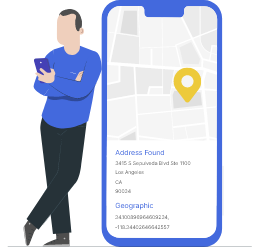
How Can PostGrid’s Address Verification API Help You Maintain Accurate Addresses for Your Health Insurance Firm
PostGrid’s Address Verification solution allows companies to access several features, like
- Address autocomplete
- Standardization
- Validation
- National Change of Address (NCOA) check
- Geocoding
- Transliteration
- De-duplication
Hence, health insurance providers can manage and update their customer delivery addresses. It allows you to control the inaccurate address data cost. Also, you can ensure every record in their system is accurate and deliverable.
Contact us now for more details on how to cut inaccurate address data cost with PostGrid!