

How to Create a Customer Onboarding Strategy that Boosts Retention and Loyalty?
As an American, you must know our country's vibrant and dynamic marketplace. Yet, you are also aware of the stiff competition in every industry. Effective marketing is your only way to capture the attention of prospects and convert them into paying customers.
Each customer has to go through a long journey to become a loyal brand advocate. A customer onboarding strategy becomes vital to welcome your new customers warmly. It invites them into your business family with transparent intentions. You can create a long-lasting and beneficial relationship by improving customer onboarding processes.
Let us imagine this scenario;
After years of hard work and dedication, you finally launch a mind-blowing product or service. It is now the perfect time to bring customers and build strong relationships with them. But how are you going to do this? How can you ensure that your customers feel valued and excited about their decision to buy from you?

Enter customer onboarding strategies!
They are like jetpacks that propel your business forward and become a key differentiator in the competitive marketplace. They help the customers have a welcoming experience with your products and services. Around 70% of customers think it is vital to understand how to use the products and services to trust a business entirely.
But here's a catch to this! A single-customer onboarding strategy is more than one-size-fits-all. There could be millions of factors that can determine the perfect plan for your business. Similar to the possibility of multiple universes, a firm can have the scope to find multiple customer onboarding strategies.
It would help to have a crystal straightforward thought process, planning, and a deep understanding of your target customers.
Don't worry; we are here to help you to create your customer onboarding strategy.
This blog will help you understand the importance of having customer onboarding strategies. You learn how to create your approach for your business in the USA. We'll also explore the intricacies of customer expectations, industry trends, and cultural differences shaping American industries.
It doesn't matter whether you are running your business in the bustling city of New York or the charming towns of the Midwest; these strategies can work once you understand the American consumer mindset.
Get ready to learn about the proven techniques and ideas that will smoothly align your customers to their customer journey. Let's create a fantastic onboarding experience that gives a lasting impression, drives customer loyalty, and boosts your sales numbers.
What is a Customer Onboarding Strategy?
It is the most vital stage in a customer lifecycle. This type of onboarding is a nurturing process that aims to make your customers comfortable with your products and services. A successful customer onboarding plan provides helpful guidance, step-by-step tutorials, support, and more.
So why should you consider developing your customer onboarding plan? What will you gain with a unique strategy?
Importance of Customer Onboarding Strategies
Not developing a clever strategy could be very risky for your business. It is shocking to learn that 55 percent of people return their purchases because they don't fully know how to use the product.
The aim is not just about acquiring customers for your business. Instead, it would help if you made them feel valued, engaged, and excited about your offerings. Here's why you should consider developing a customer onboarding plan;
First Impression is Everything
A smooth onboarding process is your window to make the best first impression on your customers. Let us understand this concept with the help of an example.
The computer giant Apple spends millions of dollars to create the most amazing first impression, from those eye-catching advertisements to the unique architectural features in their retail stores. This brand can leave a lasting impression instead of just showing off spec sheets.
Similarly, a robust customer onboarding strategy would help you set the right tone for the customer lifecycles. You can deliver a smooth and engaging onboarding experience to develop a positive perception of your brand.
Enforce Trust and Loyalty Among Your Customers
After leaving a good first impression, you need to continue your efforts to improve customer onboarding. It develops a strong foundation of long-term commitment from your customers.
Effective customer onboarding strategies provide clear guidance, address customer concerns and deliver promises. This way, innovative businesses can create a sense of trust and reliability. Making your customers feel valued from the beginning can turn them into loyal brand advocates.
Increase Customer Retention and Reduce Abandonment
Holding customers for a long time takes work in a highly competitive marketplace. Just betting on your product or service isn't because someone else can steal your customers by providing a superior experience.
A well-executed customer onboarding strategy can resolve this issue and stop customers from leaving your brand.
Successful brands proactively learn customer needs, provide relevant resources, use AI retention tactics, and ensure a seamless customer experience. This way, they can boost the likelihood of customer retention. Having engaged and satisfied customers always gives the invitation to repeat business.
Give a Boost to Your Customer Lifetime Value
The customer onboarding experience is about more than just the initial purchase by the customer. It focuses on the entire customer journey. When you provide a positive experience, your customers are more inclined toward your offerings.
It can ensure higher chances of upgrading or becoming long-term and high-value customers. When you have a complete customer onboarding plan, you can maximize customer lifetime value and ensure revenue growth.
Gain Critical Insights from Your Customers and the Market
After acquiring your customers, you can gain more insights into understanding their behavior and preferences. It is only possible when you implement a strong customer onboarding strategy. During onboarding, you can learn about inclinations, pain points, and expectations better.
Your product or service already provides them with hands-on experience, so your insights will be more accurate and reliable. These insights can refine your offerings, tweak your marketing strategies, and improve the overall customer experience.
Bringing Differentiation in the Competitive Landscape
As we said above, more than having the best product is necessary these days. You need to provide the best customer experience that tries to learn their pain points and preferences and gives solutions to their concerns. People have a lot of options in an open market like the US. Let us understand this with the help of an example.
American car manufacturers were doing well before the 1970s. Enter Japanese cars! They shook the US market by providing reliable products and incredible customer experience. These Japanese cars brought differentiation in the market with the best customer onboarding strategies. Soon, people were getting Corollas instead of American makes in the US. This superior customer experience brought the trend of reliable and economical Japanese cars in the American market where people were only talking about size and horsepower before.
Best Tips for Building Your Customer Onboarding Plan
Being organized and proactive are the first two things you must do to build your onboarding strategy. You can make your customers feel valued and engaged with an effective strategy.
Here's what you need to do to create the best impact;
Determine Who Will Manage the Onboarding Process
Once you get the customer to purchase your product or service, you are responsible for providing decent customer service. There could be multiple aspects in a customer onboarding plan. Some of them are;
- Designing and writing the content for the onboarding communication.
- Organizing and running training sessions.
- Managing customer relationships during the onboarding process.
If you are running a small business, we are sure you have one person to handle all onboarding tasks. However, big companies have separate teams for training to ensure customer success.
Before implementing your customer onboarding strategy, you must understand who will work on what. This way, you can align your resources to your organizational goals.
Discover the Goal of Your Program
What are you trying to achieve with the customer onboarding strategy? How will you benefit by implementing this plan? Having clear objectives will help you channel your efforts in the right direction.
We recommend your goals be SMART; specific, measurable, achievable, relevant, and time-bound. The objectives must address your customers' pain points and make the experience smoother.
Here are some goals of a customer onboarding plan;
- A customer repurchases a product from your brand.
- A customer upgrades to a paid version after completing a product trial.
- The customer writes a positive review on your social media page.
By having clear goals, you can align your team while onboarding a customer.
Create a Robust Onboarding Program
It would help if you focused on developing a program that can help you communicate with your customers regularly. This way, you can send customer messages with helpful information.
A business can provide valuable insights through FAQs, guides, or tutorials. Consider using direct mail service to nurture the campaign most straightforwardly. It would help you send messages triggered by your customer's behavior. It would give them information at the right time and help them feel your presence.
Develop a Review System to Improve the Onboarding Process
A review system is necessary to improve customer onboarding. We recommend you develop a communication line with your customers and your internal team. Check if your customer onboarding plan meets the client's expectations and needs. Then, you can make the appropriate changes.
In this process, you have to document both successes and failures of your internal team. Repeat the procedure, and you will improve your onboarding program.
Always Be Ready for Change
A change can happen overnight and take months to implement. In any case, adapt to changing business trends and customer needs. This way, you can continuously evolve your customer onboarding strategies.
“A sudden change in market trends can have a massive impact on your business. You must take proactive steps to adopt and evolve” – PostGrid Marketing Manager.
Integrate Technology into Customer Onboarding
With rising customers and changing market trends, you must deploy the best technology to streamline the customer onboarding experience. Please say goodbye to old and clunky tools and say hello to automation software.
We recommend you have multiple communication channels to leave a better impact on your customers. It would allow them to choose their medium and learn about your offerings.
These are significant steps you can take to improve the customer onboarding experience in your organization. Use the following checklist to take your customer satisfaction to the next level;
- Build a Simple Sign-up Form: Use a straightforward registration form they can fill in a minute. Avoid asking for any useless and bogus information. Social sign-in is a welcoming step!
- Personalize the Notifications: Provide communication according to individual's interests, preferences, pain points, and questions. Onboarding a customer will become more engaging and impactful.
- Use Automation Wherever Necessary: Consider using automation tools to save time and effort and reduce errors. For example, a direct mail automation platform can send triggered mail by customer action.
- Add a Verification Process for New Customers: Ensure all your customers are legit by developing a verification system. It would reduce the wastage of resources and spamming.
- Develop Templates for Welcome Mail and Transactional Mail: It would save time for future communication. Your communication medium will also appear professional and sleek.
- Schedule Product Tours and Walkthroughs: This way, you can educate your customers about all the features and limitations of your products.
- Provide Product Knowledge Base and Tutorials: You can further engage your audience by providing interesting knowledge about your product with a knowledge base, online documentation, user guides and manuals which can be housed inside client portals.
- Prioritize Excellent Customer Support: Ensure you fulfill every concern with first-class customer service.
Developing and implementing a customer onboarding strategy requires years of expertise and market knowledge. You cannot expect a single approach to work overnight and do wonders for you. For this reason, it is vital to understand the different stages of the customer journey.
 Also Read: Boost Employee Experience and Productivity
Stages of Customer Journey
- Awareness: This stage begins when your prospects can find your product or service. They might discover you via your marketing efforts, reviews, referrals, or even word of mouth. In this stage, you must capture their interest and attention by showing how to solve their problem or requirement.
- Evaluation: It is a vital part of customer onboarding strategies. In this stage, your prospects will compare your offerings with available alternatives. Provide the most relevant and helpful information to take advantage of the opportunity.
- Consideration: your prospects will narrow their choices and select which product or service fits their situation and preferences. Influence your prospects by telling them how your product or service suits different use cases.
- Decision: The potential customers finally want to make a purchase decision to become a paying member. This process should be simplest and fastest with clear instructions and feedback to them. We recommend you send welcome or thank-you letters to your customers for choosing you. It would enlighten their mood and make them feel valued from the initial purchase stages.
- Retention: A good product and customer experience can play a significant role in determining your retention rate. It is where you have to deliver your promises with your offering and customer support. Provide ongoing support and guidance to improve the customer onboarding experience. You can engage your buyers, influencing them for repeat purchases and upsells.
- Advocacy: It is the last stage of the customer journey where you want to convert them into loyal brand fans. They must be so impressed that they will recommend them to others independently. You can create loyalty programs or provide referral bonuses to expect higher sales. Keep engaging them with attractive offers and relevant content.
You can use these standard customer journey stages to create your custom process. You must select the best communication medium to implement your customer onboarding plan.
What About Direct Mail?
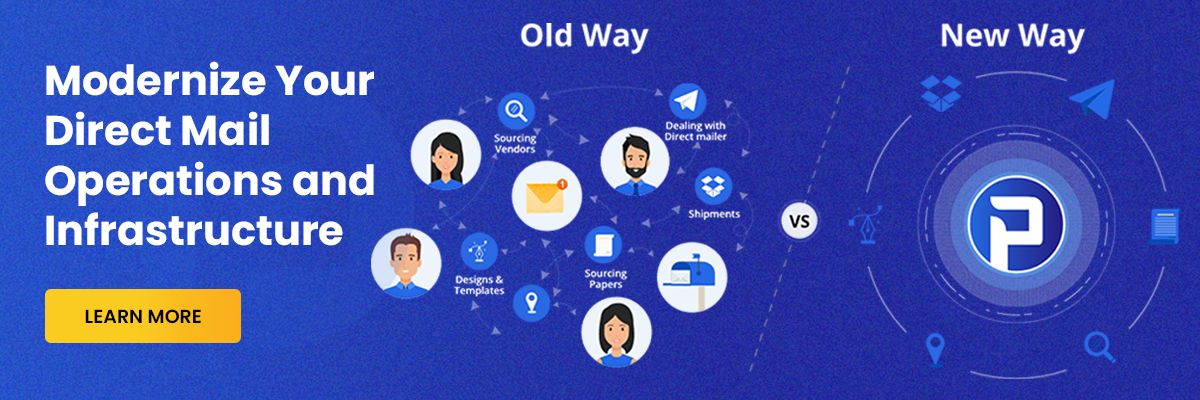
No, direct mail is not dead! It has become more powerful with the introduction of modern technologies and automation. You can send your prospects personalized, trackable direct mail pieces and improve customer onboarding. It is a more tactile and personal medium than any other communication approach.
Do you still need to figure out the power of direct mail?
Let us learn about the
Also Read: HVAC Local Direct Mail MarketingReasons to Consider Direct Mail For Your Customer Onboarding Strategy
Truly Memorable and Tangible
Direct mail pieces will give your customers a physical and tactile experience to your customers. People often have frustration viewing tons of emails and online ads.
A physical mail piece stands out from the crowd as it captures multiple senses and attention and leaves a lasting impression. Your brand becomes more memorable, and your customer onboarding strategy will be successful.
Higher Open Rates
You can expect higher open and response rates when you send mail to improve customer onboarding. This rate is usually much higher than digital marketing methods. High engagement can ensure the success of your customer onboarding strategy.
Amazing Personalization Capabilities
Direct mail automation can provide you with a high level of personalization. It could be a vital factor to consider in your customer onboarding plan. You can use customer data and segmentation for creating tailored mail pieces. Any business can create a more significant impact with these personalized mail pieces.
Building Trust and Credibility
Direct mail automation is famous for building trust and credibility among your customers. Customers say a mail piece feels more legitimate and authentic than any other digital communication. By sending direct mail pieces, you can improve trust and faith in your customer onboarding experience.
Improving Your Brand Visibility
Direct mail can increase your brand visibility if you compete highly competitively. Your designing team can put your logo, brand colors, and imagery to create an impactful direct mail piece for your customer onboarding plan.
You can also include promotional items in your mail to improve your brand visibility and leave a tangible impression of your business. Intelligent marketers often choose direct mail to enhance the customer onboarding experience.
Complements Digital Channels
Direct mail with your digital marketing efforts is a great way to tap into online and offline customers. Snail mail automation allows you to integrate personalized URLs (PURLs), QR codes, or specific landing pages into your snail mail pieces.
This way, drive your customers directly to your website, influence them into taking action digitally, and improve social media engagement. The amalgamation of digital and physical communication can improve customer onboarding programs.
Less-Competitive Landscape
The problem with many businesses is that they undermine the power of direct mail marketing. Physical mailboxes are less crowded. At the same time, digital inboxes are getting bombarded with an influx of information. You have a higher chance of standing out in the mailbox and getting more customers with direct mail marketing. Less competition makes it easier to leave a more substantial impact and improve the customer onboarding experience.
Which major companies are using direct mail for implementing their customer onboarding strategy? Direct mail is a widespread communication and marketing tool for increasing sales, generating leads, developing loyalty, and educating customers about your offerings.
Famous Brands Using Direct Mail for Their Customer Onboarding Strategy
- Grammarly: The online writing tool sends a welcome letter to its new users. They can learn about the benefits of their products and best practices for using them.
- Baboon To The Moon: The luggage brand is famous for sending colorful thank-you postcards to new customers. It shows gratitude and also invites people to share their travel stories on social media websites.
- LastPass: The online password manager prefers sending personalized letters to new customers. It introduces the customer success manager and gives a checklist to follow.
- Psono: The secure password management platform greets its new users with a personalized email. In this message, users are welcomed into the Psono community and provided with essential information on maximizing the security and convenience of their password management experience.
💡Also Read: Improving Customer Data
Using PostGrid to Implement Customer Onboarding Strategies
If you are looking for a reliable and automated solution for all your direct mail needs, then PostGrid direct mail API could be the best bet. Our REST API helps you to send letters, checks, or postcards to improve your customer onboarding experience.
Businesses can automate their offline communication and streamline their strategy by;
- They prefer sending personalized welcome letters or postcards to new customers. It can work as a gesture of appreciation and also provide helpful information to them.
- PostGrid can help businesses verify, complete, and standardize their customer addresses. It ensures high deliverability and accuracy of mail pieces.
- Businesses can integrate PostGrid into their existing CRM or other tools for triggering automated direct mail campaigns depending on events or customer actions.
- The direct mail automation portal helps you ensure loyalty and retention by sending timely mail.
- The analytics and tracking features of PostGrid can help you measure the impact of customer onboarding strategies.
- Targeted direct mail can work based on customer behavior, such as signing up or completing a task or event.
- PostGrid helps you comply with HIPAA, PHIPA, PIPEDA, GDPR, and SOC-2 certifications. You get the peace of mind that you never break any law while implementing your onboard customer strategy.
- Businesses can save countless hours and money by outsourcing the printing, mailing, and inventory management process to PostGrid and its partners.
Signup now to streamline your customer onboarding experience.